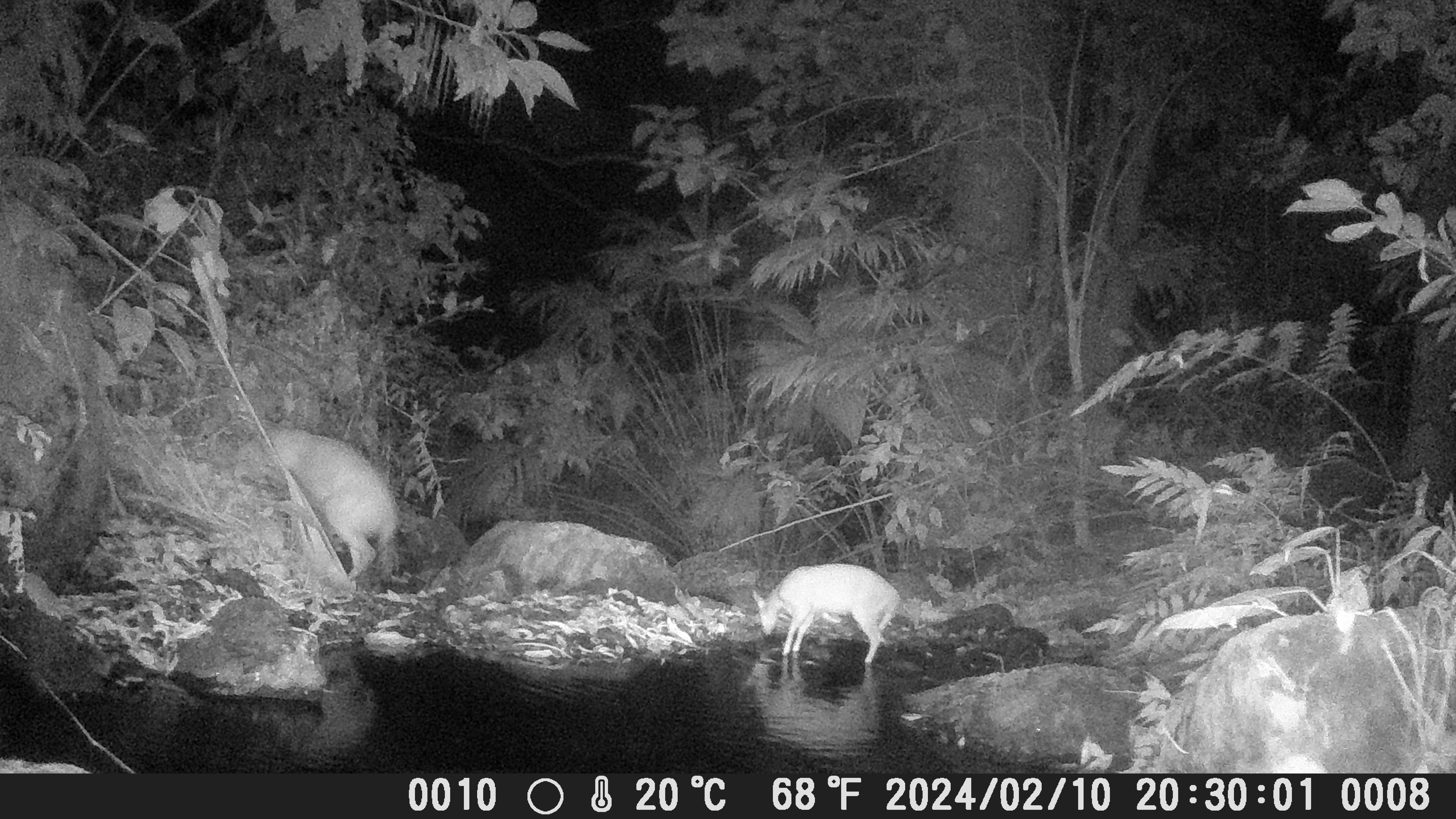
 Camera trap · La Tigra · Feb 10, 2024
Sierra Nevada · Vereda Orinoco
La Tigra Reserve
A biodiversity sanctuary in the Sierra Nevada de Santa Marta.
The land
“Here we don't just plant trees: we cultivate future, memory and balance.”
In the mountains, at the gates of the Sierra Nevada de Santa Marta, lies La Tigra Reserve: a space of conservation and restoration where every tree planted tells a story. It's not a theme park — it's a living forest in the process of healing.
Located in the Orinoco district, in the foothills of the Sierra, the reserve is a natural sanctuary where ecological restoration, regenerative tourism and biocultural education converge. For more than 13 years, this land has been cared for, healed and regenerated with love, community and purpose. Today, 14,280 trees have been planted, contributing to the return of biodiversity and the recovery of a key ecosystem between the tropical dry forest and the premontane humid forest.
- CategoryWildlife Sanctuary Reserve
- LocationVereda Orinoco, foothills of the Sierra Nevada de Santa Marta
- Years of restorationMore than 13
- Trees planted14,280
- EcosystemsTropical dry forest and premontane humid forest
What happens on the land: participatory reforestation with native and fruit species that nourish wildlife; living fences, seed banks and agroecological trials; ongoing work with children, knowledge-keepers, scientists, travelers and volunteers; the design of interpretive trails, regenerative gardens and environmental monitoring stations; and a spiritual connection to the Línea Negra and respect for sacred sites.
The restoration process formally began in 2012. Since then, native species from at least 35 local species have been planted, including caracolí, iguá and guayacán — always accompanying natural regeneration, not replacing it. The property borders the Orinoco creek to the north, a priority water source for the regional micro-watershed, and also has an internal creek that originates within the reserve; both have been the focus of riparian species planting and water-quality monitoring alongside educational and community institutions. The soil is loamy, with good water retention, which allows active restoration to be combined with agroforestry systems of cacao, mango, avocado, cashew, coffee and subsistence crops.
During the second half of 2025, the reserve got an extra boost: 500 trees planted through a partnership with Intrepid Travel, the international operator that works alongside CUCACO Travel on the Ciudad Perdida trek. It's a different funding mechanism from the trip-by-trip planting that already happens — proof that this forest can also grow with outside partners committed to regenerating the land.
Seed nurseries
Recovery of Tayrona terraces
Community planting
NUJUE construction
Visiting La Tigra Reserve is for those who want to travel with purpose, learn from nature, and take home something deeper than pretty photos: an inner change.
A limited-edition product
La Tigra also lends its name to a limited-edition agroecological product, produced on the reserve's own forest land in the Orinoco district. It's one of the real pieces that connect forest conservation with the community economy — the same bridge that La Local and Agroecological Products build.
- LocationForest Reserve, Vereda Orinoco — Sierra Nevada de Santa Marta
- Direct contactreservalatigra@gmail.com
- Phone+57 314 473 0665
- Instagram@reservalatigra
Camera trap · La Tigra · Feb 10, 2024
03 —
Who walks through the forest when no one's watching.
CUCACO Travel installed 5 camera traps in the reserve to monitor wildlife and support conservation strategies. This frame is real, part of an archive that keeps growing with every traveler who passes through.
Camera-trap monitoring began in 2020, and has since built a real baseline of wildlife present in the forest: ocelot, white-tailed deer, tayra, paca, howler monkeys, opossums, agoutis and various birds — indicator species that confirm the restoration process is working.
This land also sustains
It's not an isolated project.
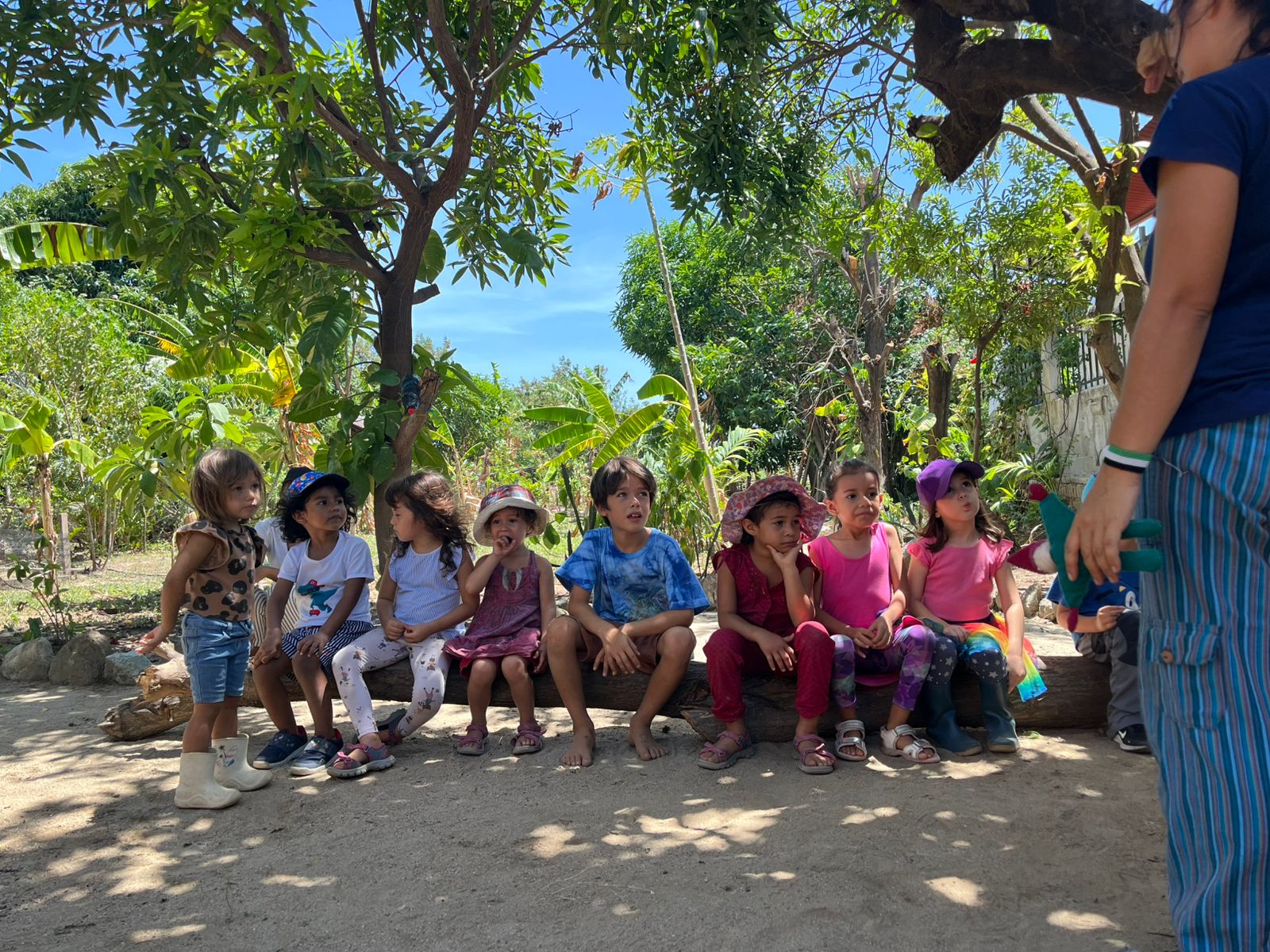
SER SIERRA
Uses the reserve as a living classroom for children, families and communities.
Learn about SER SIERRA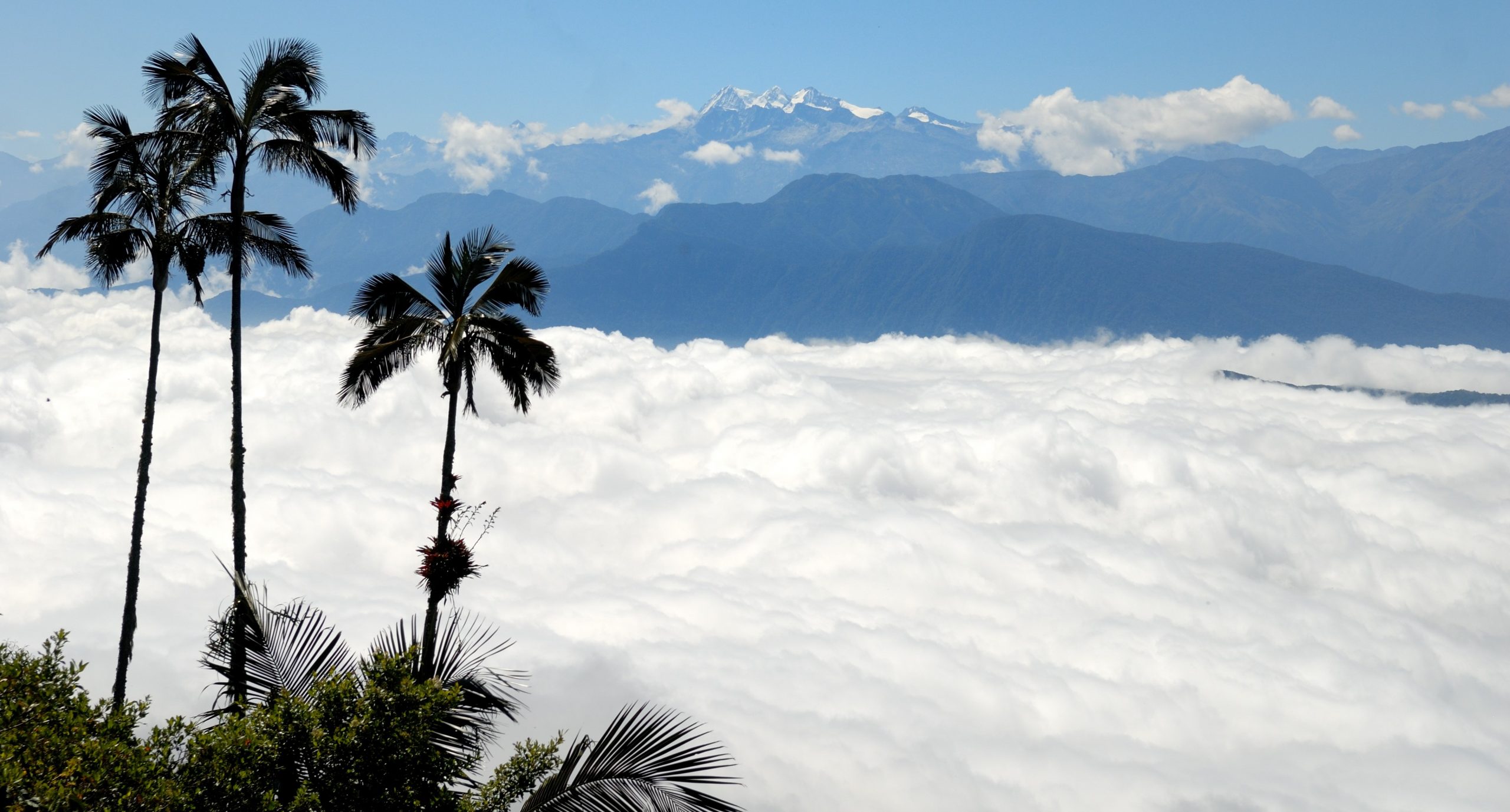
Ulukundua Trail
The interpretive trail runs through this very reserve.
Learn about Ulukundua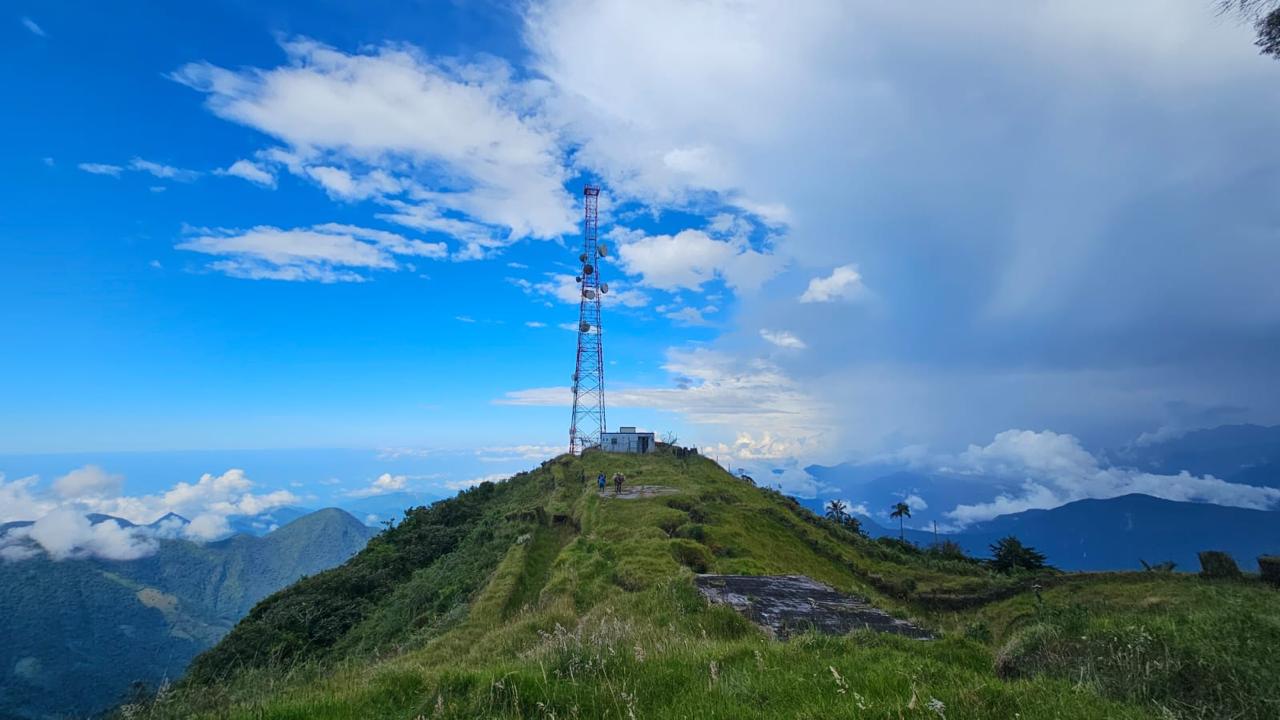
Regenerative Ecosystem Services
Habitat banking and payments for environmental services anchored in this forest.
Learn about this workI'd like to know more about La Tigra
Leave us your email and what you're interested in — visiting, supporting conservation, or getting the limited-edition product. We'll write to you directly.